
I count myself incredibly lucky to have been raised by parents—and within a community—that truly believed in the power of play. Apart from our weekly fix of Saturday Fun Machine shows on TV, my brothers and I spent most of our days outside with friends—running, climbing, and inventing fun, even wild adventures. Even when we were indoors, the play didn’t stop. We climbed doorways, army-crawled under beds, and invented all sorts of challenges. You name it—we probably tried it!
Years later, when I became a parent, my mum and dad were right there with me. They weren’t just watching from the sidelines—they were down on the floor, in the garden, or at the playground, playing alongside their grandchildren with love, laughter, and enthusiasm.
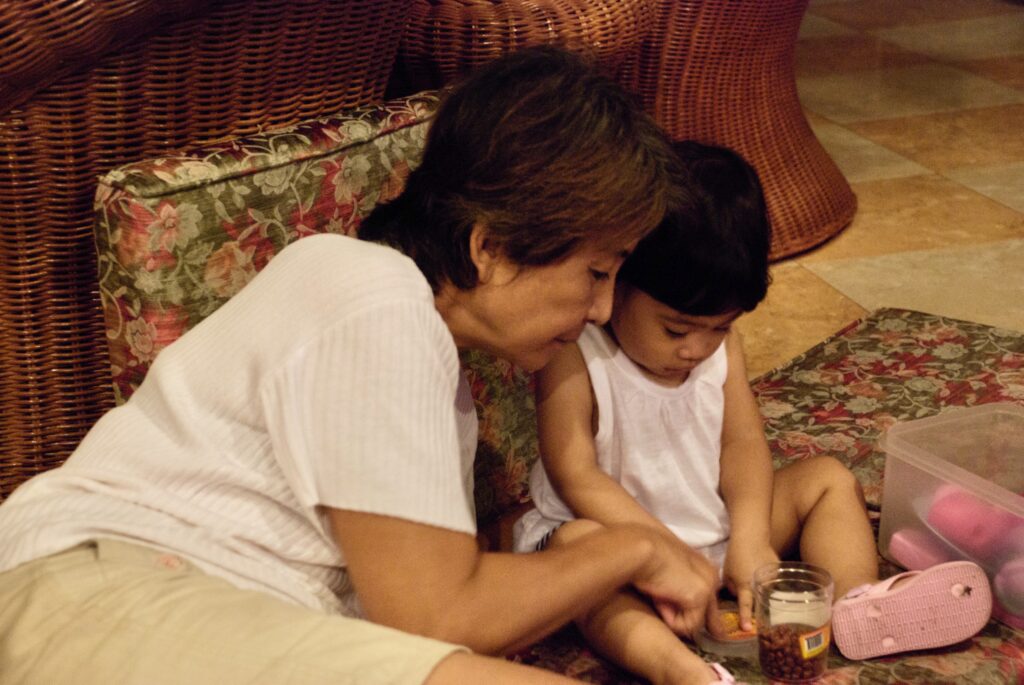
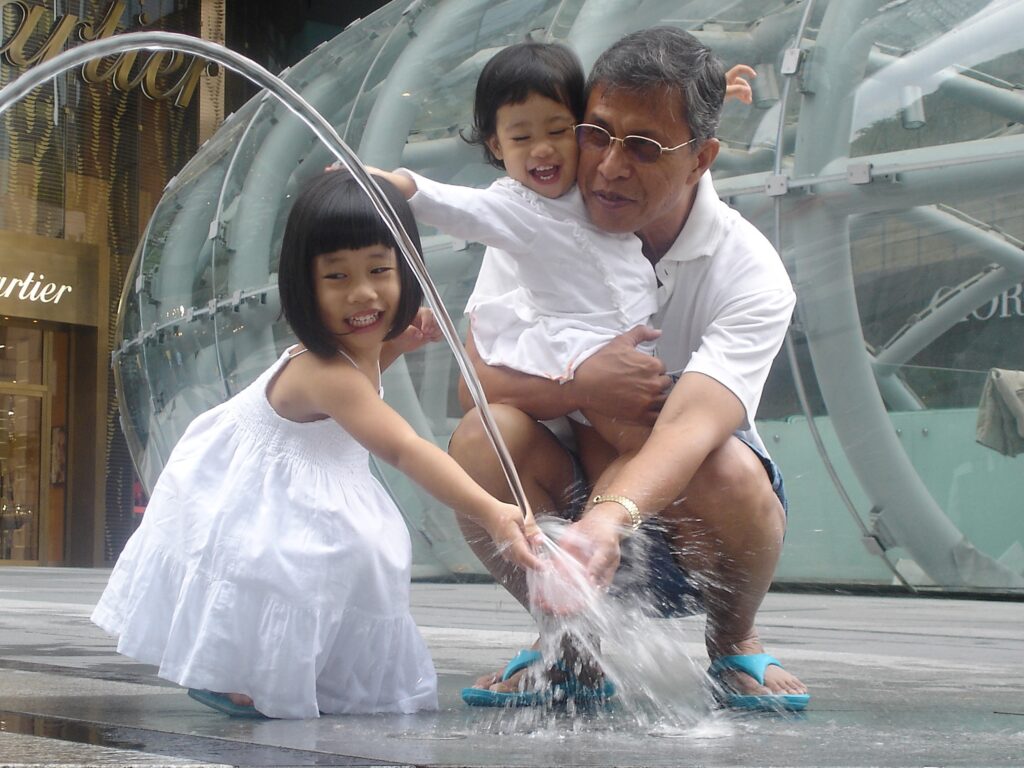
Not every child has that experience. In my work, I’ve seen the difference it makes when grandparents step into that role—not as passive observers, but as playful, present companions.
So how can we encourage more grandparents to get involved in play? Whether you’re a parent hoping to inspire your own mum or dad, or a grandparent looking to connect with your grandchild in new ways, here are some joyful, practical ideas to get started.
Watching my parents play with my daughters reminded me just how special—and powerful—grandparental involvement can be. Their presence wasn’t just emotionally supportive—it actively shaped how my children played, communicated, and learned.

And the science backs this up. Grandparents who are positively engaged can significantly contribute to a child’s emotional regulation, language development, social skills, and even academic readiness. Research shows that intergenerational relationships help children develop a stronger sense of security and identity, while also supporting empathy and emotional resilience (Lussier et al., 2002; Silverstein & Ruiz, 2006). One study even found that close grandparent-grandchild bonds were linked to fewer emotional problems in children, particularly during difficult family transitions (Attar-Schwartz et al., 2009).
But play doesn’t have to mean high-energy romps through the backyard—especially when grandparents may have physical limitations or health concerns. What matters most is meaningful connection.
How to Encourage Grandparents to Play (and Keep Everyone Safe)
1. Start with Simple, Familiar Games
Games like peek-a-boo, stacking blocks, nursery rhymes with hand movements, or storytelling with puppets are fun, low-stress ways to encourage shared play. These require minimal movement and can be done sitting down or even lying on the floor with a baby.
2. Embrace the Power of Storytelling and Imagination
For grandparents with reduced mobility, storytelling is a wonderfully enriching way to play. Reading books aloud, sharing imaginative tales from their own childhoods, or making up stories together taps into language, memory, and creativity—all key building blocks for cognitive development.
I still remember listening wide-eyed as my grandparents told stories from their past—we were all ears! In contrast, my dad would spin made-up tales, weaving our names right into the plot. Looking back, I realize it wasn’t just a clever way to hold our attention—it was his way of making each of us feel seen, valued, and deeply special. In his story, we were the heroes who freed the genie in a bottle!

3. Make Movement Accessible and Safe
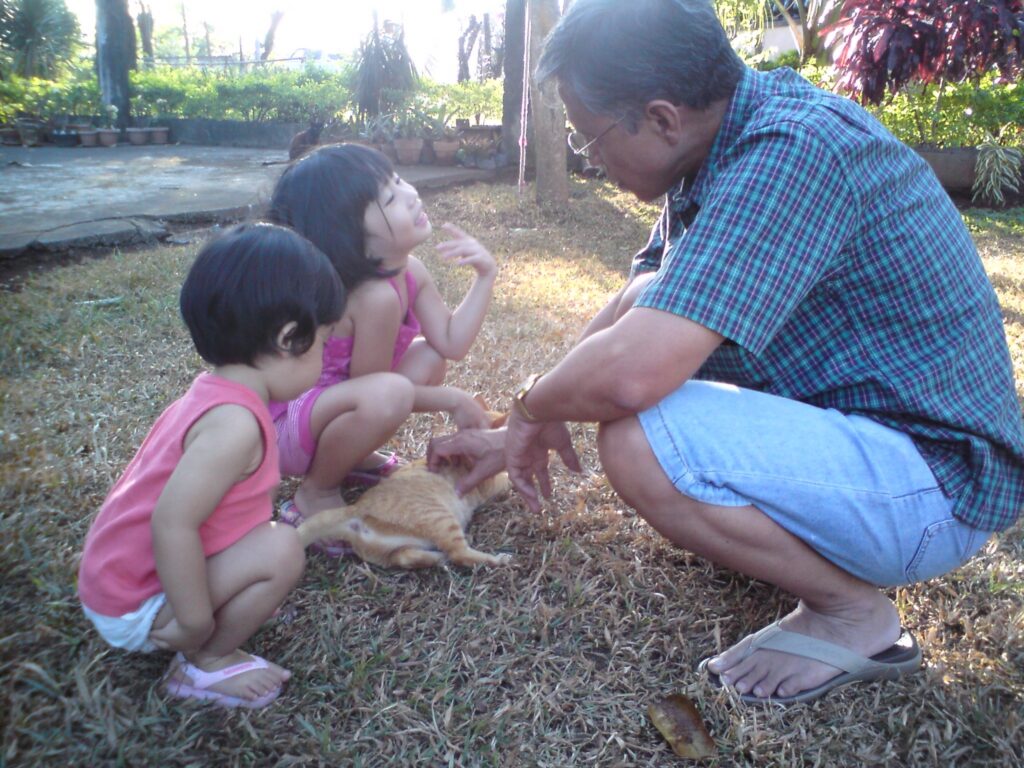
If grandparents want to be more physically involved, choose activities that match their mobility level. Try:
- Balloon games (easy to track and soft)
- Floor-based play with cushions for support
- Simple yoga or stretching with toddlers
- Water play at a safe seated height (like at a water table or sink)
Safety first: Ensure play areas are free of tripping hazards, provide stable seating, and keep hydration and medications on hand if needed. Encourage grandparents to listen to their bodies and take breaks as needed.
4. Highlight the Benefits—For Everyone
Sometimes, grandparents hesitate to join in because they don’t realize just how valuable their involvement is. Remind them that their presence:
- Boosts children’s vocabulary and language skills (especially through storytelling)
- Enhances emotional connection and reduces stress—for both parties
- Supports children’s sense of belonging, especially in multigenerational households (Mueller et al., 2011)
5. Create Rituals Together
Whether it’s “Tuesday Tea Parties,” a bedtime story routine, or nature walks every weekend, simple rituals give both grandparents and grandchildren something joyful to anticipate.

Final Thoughts
I daresay, play is a developmental necessity. And when grandparents step into the world of play, they don’t just pass time—they pass on wisdom, warmth, and wonder. With a little creativity and care, every grandparent can find a way to be a playful presence in a child’s life.
References
- Attar-Schwartz, S., Tan, J. P., Buchanan, A., Flouri, E., & Griggs, J. (2009). Grandparenting and adolescent adjustment in two-parent biological, lone-parent, and step-families. Journal of Family Psychology, 23(1), 67–75.
- Lussier, G., Deater-Deckard, K., Dunn, J., & Davies, L. (2002). Support across two generations: Children’s closeness to grandparents following parental divorce and remarriage. Journal of Family Psychology, 16(3), 363–376.
- Mueller, M. M., Wilhelm, B., & Elder, G. H. Jr. (2011). Family Contingencies Across the Generations: Grandparent–Grandchild Relationships in Holistic Life Context. Journal of Family Issues, 32(9), 1249–1276.
- Silverstein, M., & Ruiz, S. (2006). Breaking the chain: How grandparents moderate the transmission of maternal depression to their grandchildren. Family Relations, 55(5), 601–612.