
We all love to see our children succeed—whether it’s making the final goal, finishing a puzzle, or being the first to shout “UNO!” at family game night. But what about when they don’t win? When the tower crashes or someone else gets the prize? These moments, though less sparkly, are just as important. Maybe even more so.
As a parent, I’ve seen both: the triumphant dance around the living room and the dramatic meltdown over a missed turn. And as much as I want to shield my kids from disappointment, I’ve come to realize: losing well is one of the most valuable life skills our kids can learn.
And the best teacher? Play.
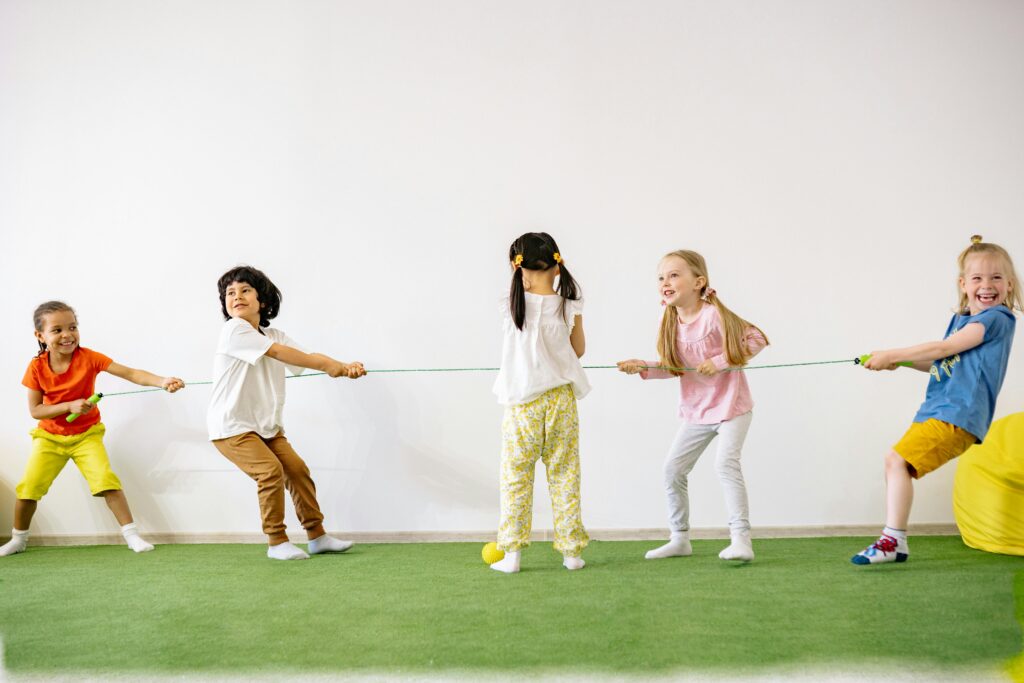
Why Losing Through Play Matters
Children are wired to play. It’s how they make sense of the world, test boundaries, and develop emotionally and socially (Ginsburg, 2007). But play isn’t just about fun—structured and even unstructured games often come with rules, goals, turns, and outcomes. That means someone wins—and someone doesn’t.
Learning to lose through play helps children:
- Regulate emotions
- Practice patience
- Build resilience
- Develop empathy
- Learn strategic thinking
It’s a safe, low-stakes environment to feel big feelings and learn how to manage them. And this, in turn, creates the foundation for future academic, athletic, and personal success.
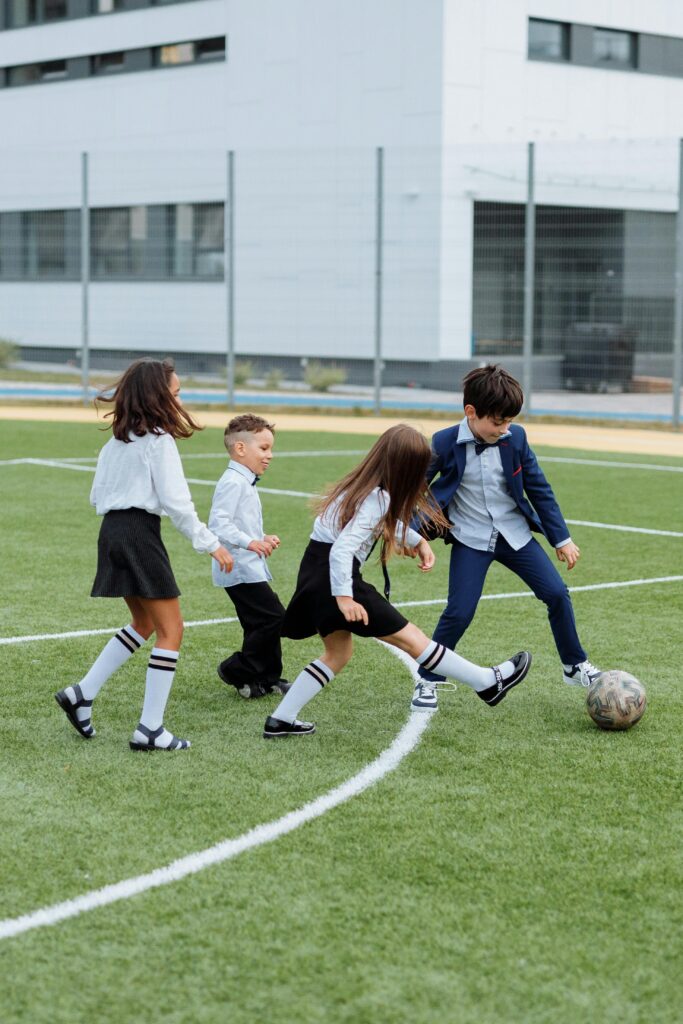
Losing is the Training Ground for Perseverance
In a world that celebrates medals and trophies, it’s easy to think that winning is the goal. But perseverance—the ability to try again after failing—is what actually leads to long-term achievement (Duckworth, 2016).
When kids lose a board game and are encouraged to play again, they learn:
- That setbacks aren’t the end
- That practice helps them get better
- That winning isn’t everything
These are lessons that transfer to everything from learning to read to dealing with friendship drama. A child who knows how to lose gracefully is a child who’s ready to handle life’s curveballs.
Humility & Grace in the Age of “Look at Me”
Let’s be honest: humility isn’t exactly trending on social media. But in real life? It’s powerful. Games provide natural opportunities to model and practice humility—whether it’s winning without bragging, or congratulating a friend who beat you fair and square.
Even toddlers can begin to understand fairness and turn-taking, and by preschool, children can grasp simple ideas about rules and sportsmanship (Bodrova & Leong, 2015).
When kids are allowed to experience loss—not shielded from it—they learn that their value isn’t based on always being first. That’s the start of emotional intelligence.
Sore Losers and Learning Curves
If your child throws the game pieces or pouts after losing, that doesn’t mean they’re “bad at losing”—it means they’re still learning. Losing gracefully isn’t automatic. It takes practice, co-regulation, and modeling from the adults around them.
Try this:
- Name their feelings: “It’s hard to lose when you tried so hard.”
- Model your own grace: “You got me this time! Let’s play again.”
- Praise effort, not outcome: “You kept going even when you were behind.”
Children need repeated opportunities to build frustration tolerance. And what better way to learn that than through a round of Connect 4 or a chaotic game of tag?
Strategy, Critical Thinking, and the Bigger Picture
Beyond emotional regulation, games also teach cognitive skills. Children learn to plan ahead, anticipate opponents’ moves, and adapt when things go off track. These skills are the very basis of problem-solving and academic learning.
They also learn that winning isn’t just about luck—it’s about thinking ahead, trying new strategies, and sometimes learning from losses.
As Dr. Stuart Brown, founder of the National Institute for Play, notes: “Play is not the opposite of work. It’s the foundation of creativity and innovation” (Brown, 2009). And strategic play? It’s where critical thinking gets its start.
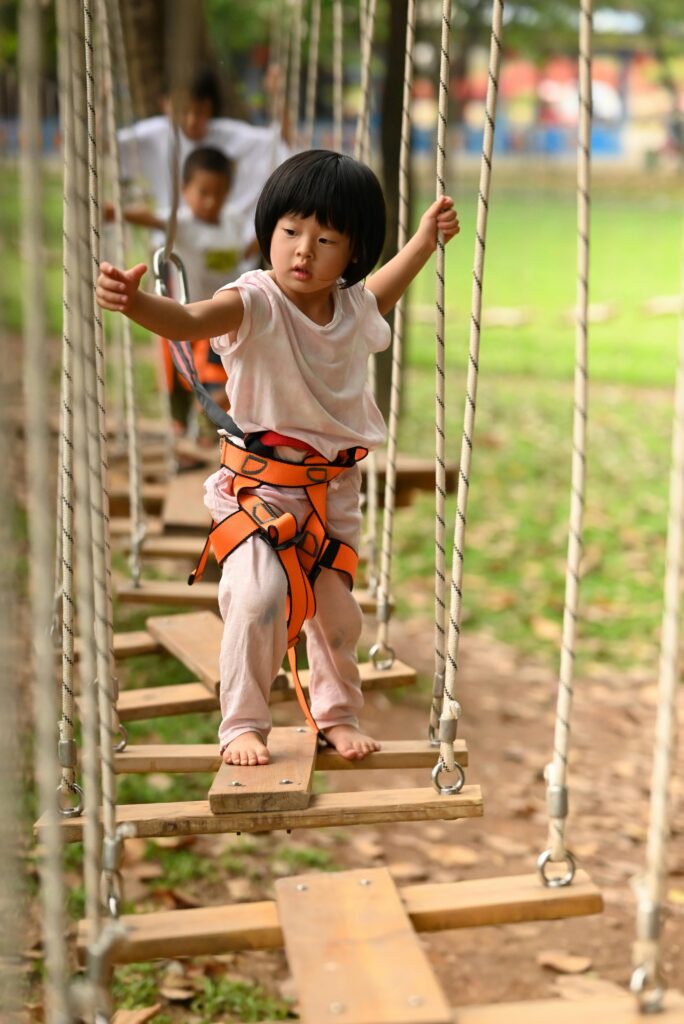
Final Thoughts: Let the Games Begin (and End… With Grace)
When we allow children to win and lose, we’re helping them grow into emotionally grounded, resilient, and thoughtful humans. Play is where they learn to celebrate others, manage frustration, try again, and play fair.
So the next time your child loses at Go Fish and starts to unravel, take a breath. That messy moment? It’s actually the beginning of something powerful.
References
- Bodrova, E., & Leong, D. J. (2015). Tools of the Mind: The Vygotskian Approach to Early Childhood Education.
- Brown, S. (2009). Play: How It Shapes the Brain, Opens the Imagination, and Invigorates the Soul.
- Duckworth, A. (2016). Grit: The Power of Passion and Perseverance.
- Ginsburg, K. R. (2007). The Importance of Play in Promoting Healthy Child Development and Maintaining Strong Parent-Child Bonds. Pediatrics, 119(1), 182–191.