
How to Support Your 6–12 Year Old’s Need for Play (Without Exhausting Yourself as a Parent)
I’ve been focused a lot on posting about infant and toddler movement lately. The truth is, whether you’re 9 months or 90 years old, play is important. It keeps us healthy, keeps our minds engaged, and—perhaps most importantly—it makes us happy.
For children, play is never “just for fun.” It’s how they grow, learn, and connect. And for kids ages 6–12, play and movement remain just as vital as they were in the toddler years—though the way they play looks a little different.
If your 7-, 9-, or 11-year-old seems to have endless energy, you’re not imagining it. At this age, children still need daily play and movement to fuel their growth—not just for their bodies, but also for their minds and emotions.
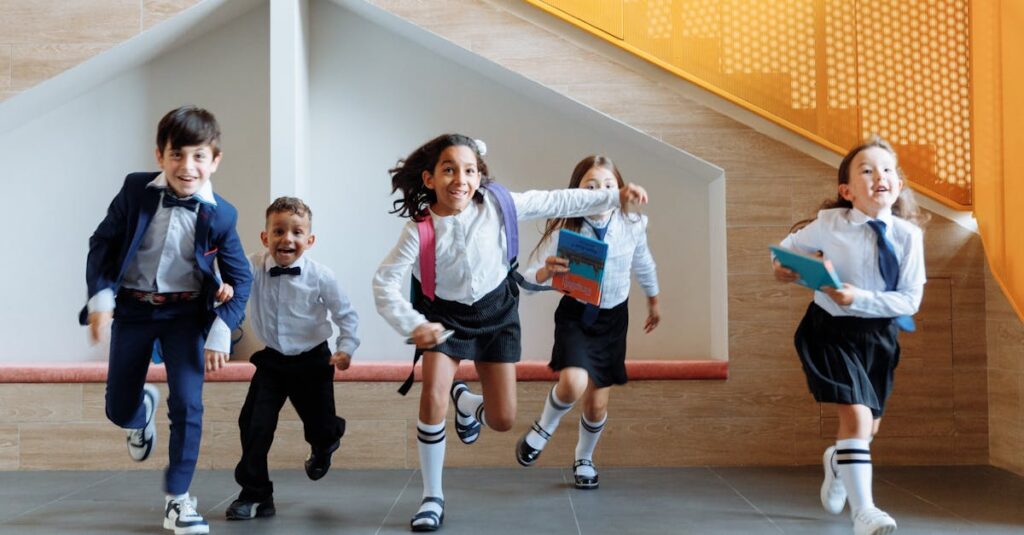
The Benefits of Play for Kids Ages 6–12
Play may change form as children grow, but the benefits are undeniable. Research shows that regular physical activity boosts focus, memory, and even academic performance (Singh et al., 2019; Donnelly et al., 2016). Beyond school, active play supports social skills, resilience, and emotional health.
Here’s what’s happening when kids play:
- Brain power: Physical activity strengthens focus, memory, and problem-solving.
- Body strength: Balance, coordination, and endurance continue developing.
- Social skills: Group play encourages cooperation and adaptability.
- Emotional wellbeing: Movement helps regulate stress and uplifts mood.
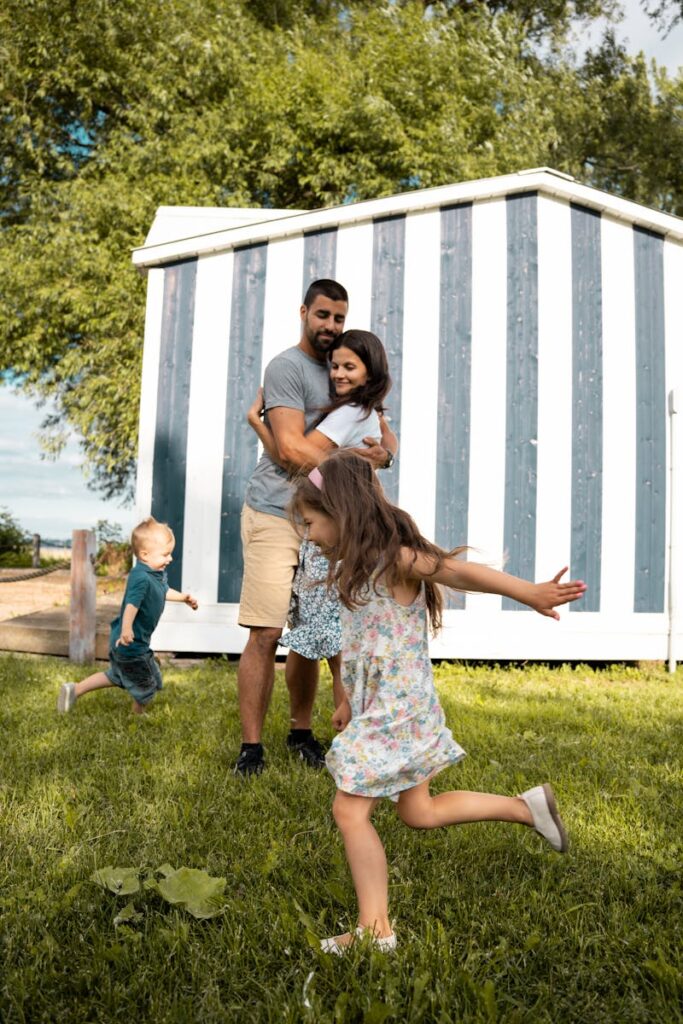
Why Parents Struggle to Keep Up
Of course, knowing play is important doesn’t always make it easy. Many parents—especially those who had kids later in life—say they feel outpaced by their child’s constant motion. And it’s true: children at this age often feel like they have endless “zoom.”
The good news? You don’t need to match their energy level to make play meaningful. Kids treasure your presence, laughter, and participation far more than your speed.
Practical Tips: How Parents Can Cope With High-Energy Kids
Here are simple ways to join your child’s play without burning out:
1. Balance High-Energy and Quiet-Energy Play
Pair active games like dance freeze, tag, or obstacle courses with gentler activities like mirror moves, yoga stretches, or story-based movement. Kids stay engaged, and you get a chance to recharge.
2. Hand Over the Lead
Children love to be in charge. Let them invent rules, design obstacle courses, or create treasure hunts. You can join in at your pace while they feel empowered as the “expert.”
3. Play Outdoors Together
Nature is a built-in calmer. A walk that doubles as a “treasure hunt” (spotting leaves, stones, or bugs) slows the pace for you while still giving your child the active play they need. Research shows that outdoor play reduces stress for both adults and children (Gill, 2014).
4. Focus on Connection, Not Competition
Remember: play isn’t about out-running or out-jumping your child. It’s about connection. What they’ll remember is your laughter, your silly freeze poses, and the fact that you were right there beside them.

The Bottom Line: Presence Over Pace
Children between 6–12 still need play and movement every single day to thrive. But parents don’t need to keep up stride for stride. By blending high-energy and quiet-energy play, letting kids lead, and finding outdoor moments together, families can enjoy the best of both worlds: active kids and parents who feel connected without feeling drained.
Because in the end, your child won’t remember how fast you ran. They’ll remember that you were there, playing side by side.
References
- Donnelly, J. E., et al. (2016). Physical Activity, Fitness, Cognitive Function, and Academic Achievement in Children. Medicine & Science in Sports & Exercise, 48(6), 1197–1222.
- Gill, T. (2014). The Benefits of Children’s Engagement with Nature: A Systematic Literature Review. Children, Youth and Environments, 24(2), 10–34.
- Singh, A., et al. (2019). Physical Activity and Performance at School: A Systematic Review of the Literature. Scandinavian Journal of Medicine & Science in Sports, 29(1), 12–22.