
Hi there, parents, teachers, and caregivers!
Have you ever noticed how kids light up when they feel free to move, explore, and try new things? That spark isn’t just joy—it’s learning in action. And it often begins with the space around them. When children have an environment that feels safe, inviting, and filled with sensory-rich opportunities, they’re not just developing physical skills—they’re growing curious minds and resilient spirits.
Today, we’re diving into how creating a multi-sensory, movement-friendly environment can ignite learning from the very beginning. Whether you’re working with infants or energetic toddlers, small shifts in your space can make a big difference.
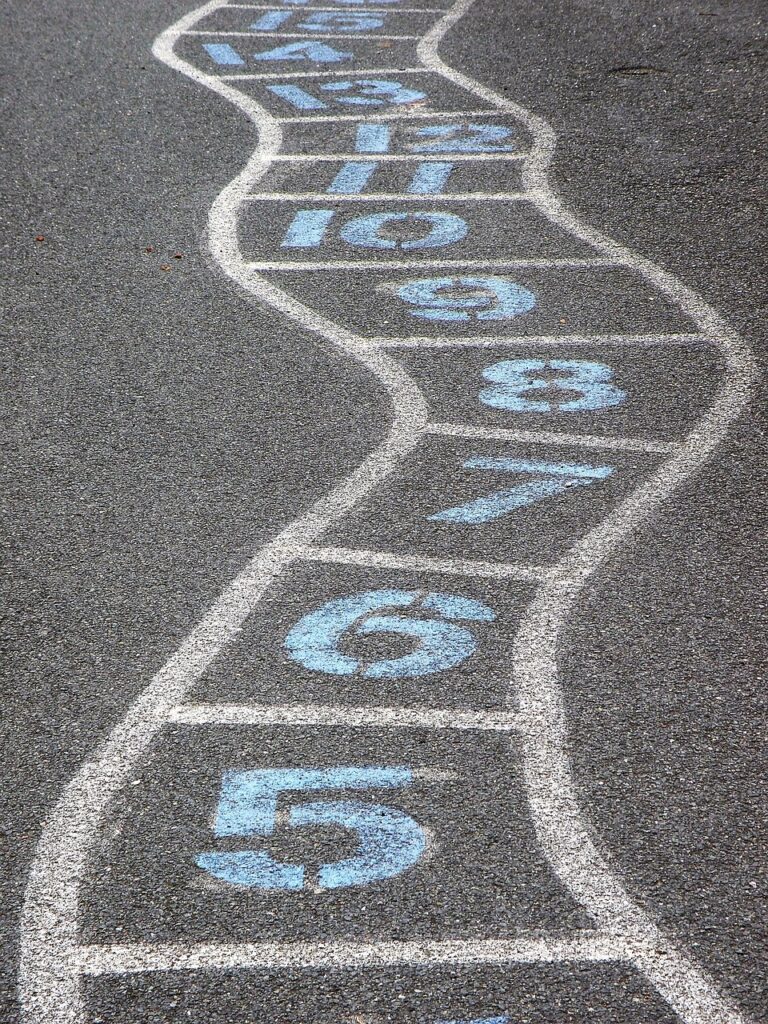
Why Physical Space Matters for Learning Through Movement
Movement is the foundation of early learning. Babies and toddlers use their whole bodies to understand the world around them—grasping, rolling, crawling, bouncing, and eventually walking. And the space they move in can either encourage those natural instincts or unintentionally limit them.
A well-designed learning environment supports:
- Motor development through climbing, crawling, reaching, and balancing
- Sensory integration by offering different textures, sounds, and sights
- Emotional safety through cozy, predictable spaces that allow freedom with boundaries
- Curiosity and confidence as children feel free to explore and experiment
Fact Check: Research from the Center on the Developing Child at Harvard University highlights that sensorimotor experiences (movement + sensory input) build the brain’s architecture in early childhood (Harvard, 2016).
How to Create a Multi-Sensory Movement Environment
Here are some ways to shape a space that invites exploration, supports development, and feels like a playground for the brain and body:
1. Design for Movement
Babies learn by moving. So create an environment that encourages safe, active exploration.
- Use soft play mats, rugs, or foam tiles to cushion tumbles and support crawling.
- Leave open space—less clutter means more room to roll, scoot, or practice wobbly steps.
- Offer different movement levels (e.g., a low platform to crawl onto, a tunnel to scoot through).
Tip: Rotate toys and props to spark new movement patterns and keep exploration fresh.
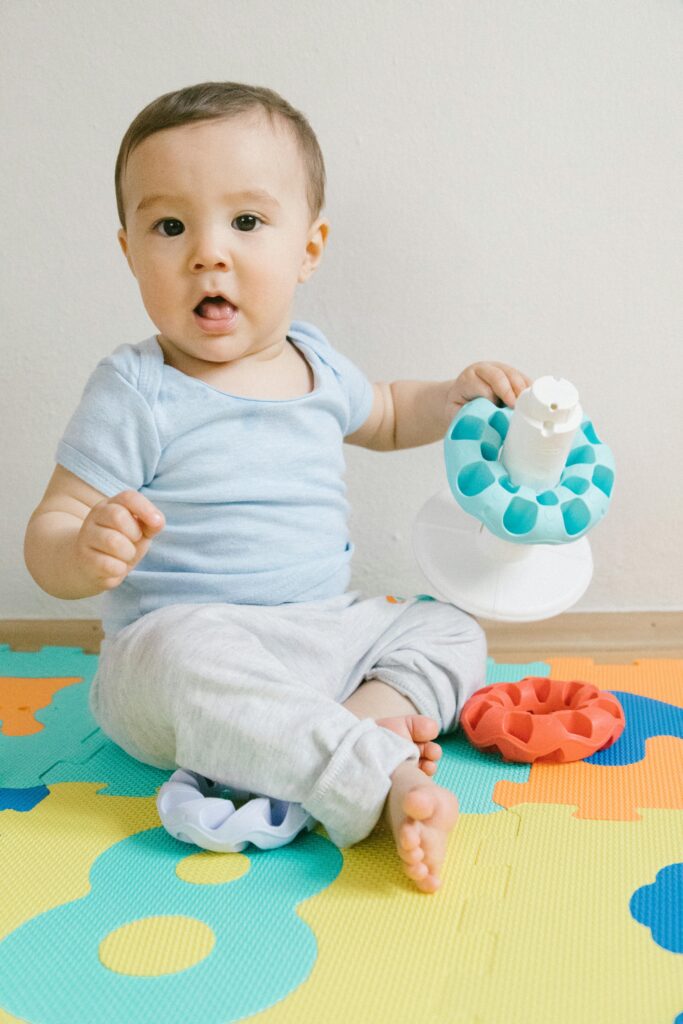
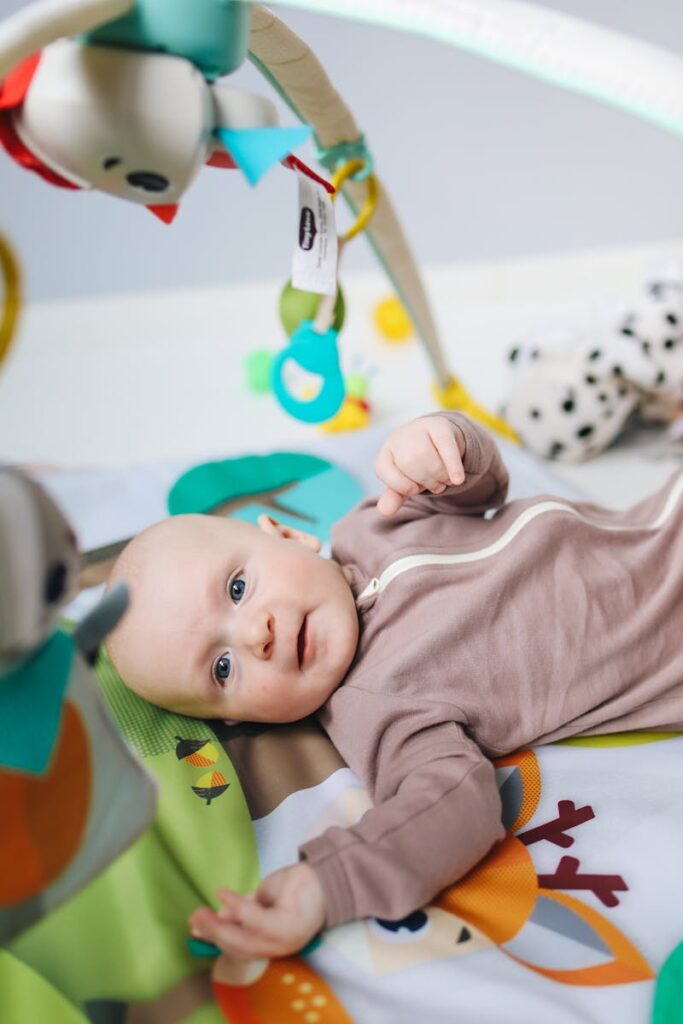
2. Engage the Senses
Movement is even more powerful when paired with sensory input. Try this:
Textures: Include baskets of scarves, squishy balls, wooden toys, and fabric books.
Visuals: Hang black-and-white patterns for infants, or mirrors at floor level so babies can see themselves move.
Sounds: Add gentle background music, or use bells, shakers, or crinkly toys.
Scents: Use calming natural smells like lavender (in very small doses) during slow-down times.
Why It Works: Sensory-rich experiences help babies build neural pathways and support coordination between brain and body (Goddard Blythe, 2005).
- Use games, hands-on activities, and storytelling to teach concepts.
- Incorporate movement into learning—like acting out a story or solving math problems with jumping jacks.
- Why It Works: Active, playful learning boosts brain activity and keeps kids focused, according to research from the National Association for the Education of Young Children (NAEYC, 2020).
3. Create Zones for Different Kinds of Play
Structure your space into mini zones:
- A movement zone with mats, tunnels, or crawling paths
- A calm corner with soft lighting and soothing textures for winding down
- A tummy time nook for younger babies with high-contrast images and reaching toys
- A messy play area for hands-on exploration like water, sand, or sensory bins (when age-appropriate)
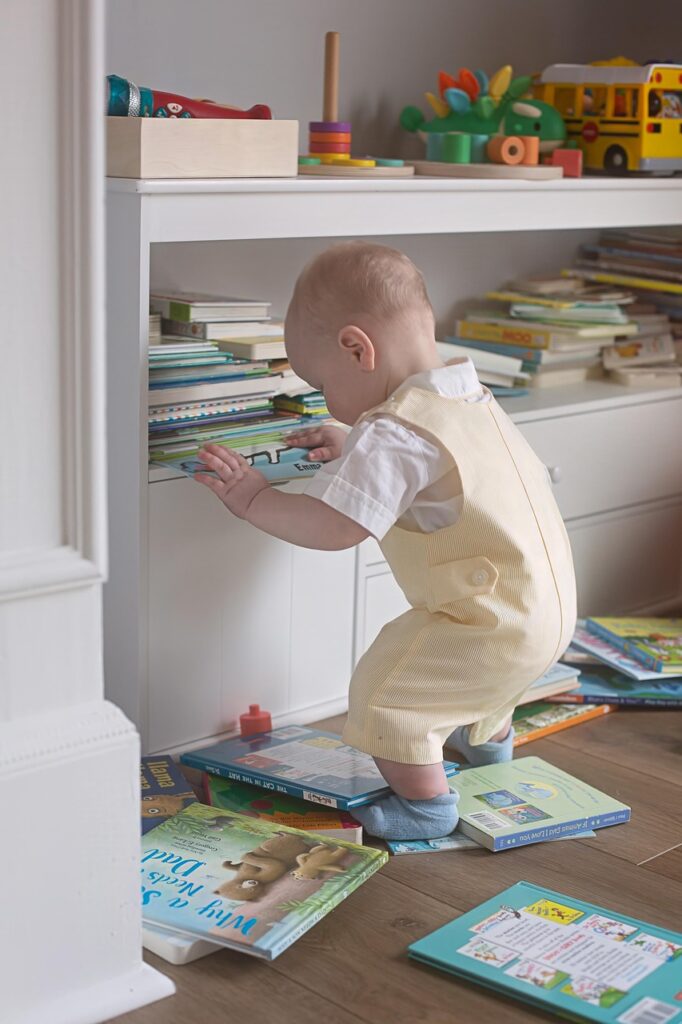
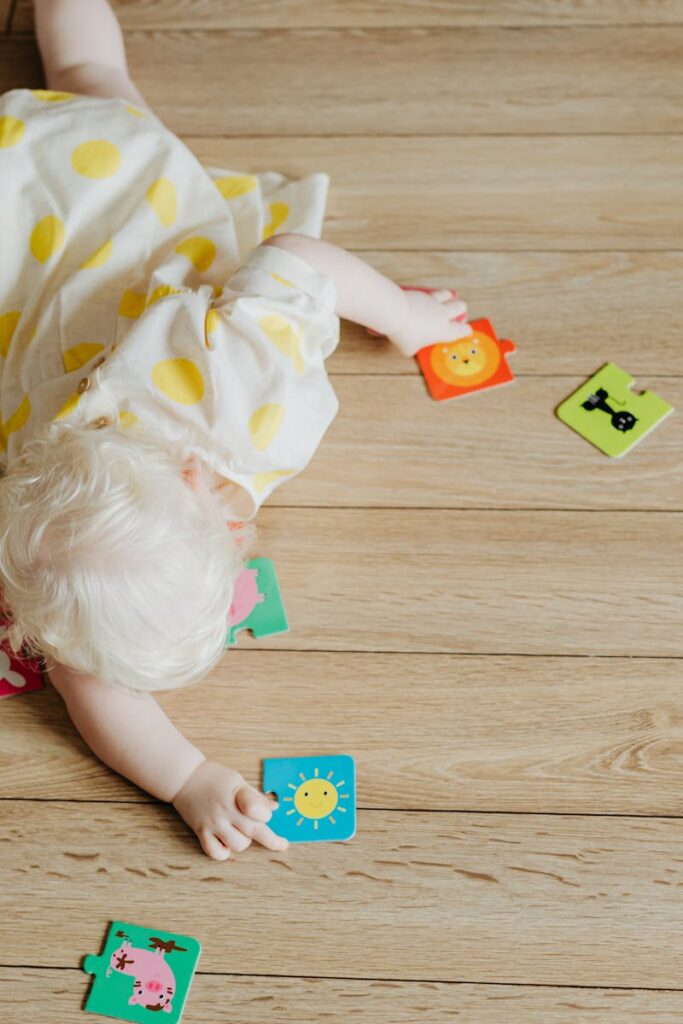
4. Encourage Free Exploration—Within Safe Boundaries
Allow babies and toddlers to follow their curiosity while staying safely within your sight and reach.
- Use low shelves for toys so they can choose what interests them.
- Offer props that invite action—like balls, wobble cushions, and push toys.
- Let them lead the way during play, rather than directing every move.
Say This: “I see you’re trying to reach that ball! Can you stretch just a little more?”
Avoid This: “Let me do it for you.”
5. Celebrate Effort Over Outcome
Movement takes practice. And with practice comes falls, stumbles, and mistakes. Create an environment where those little wobbles are celebrated.
- Cheer on effort: “You’re working so hard to stand!”
- Normalize struggle: “Falling is part of learning how to walk.”
- Model resilience: “Oops, I dropped it too! Let’s try again together.”
Why It All Comes Down to Emotional Safety
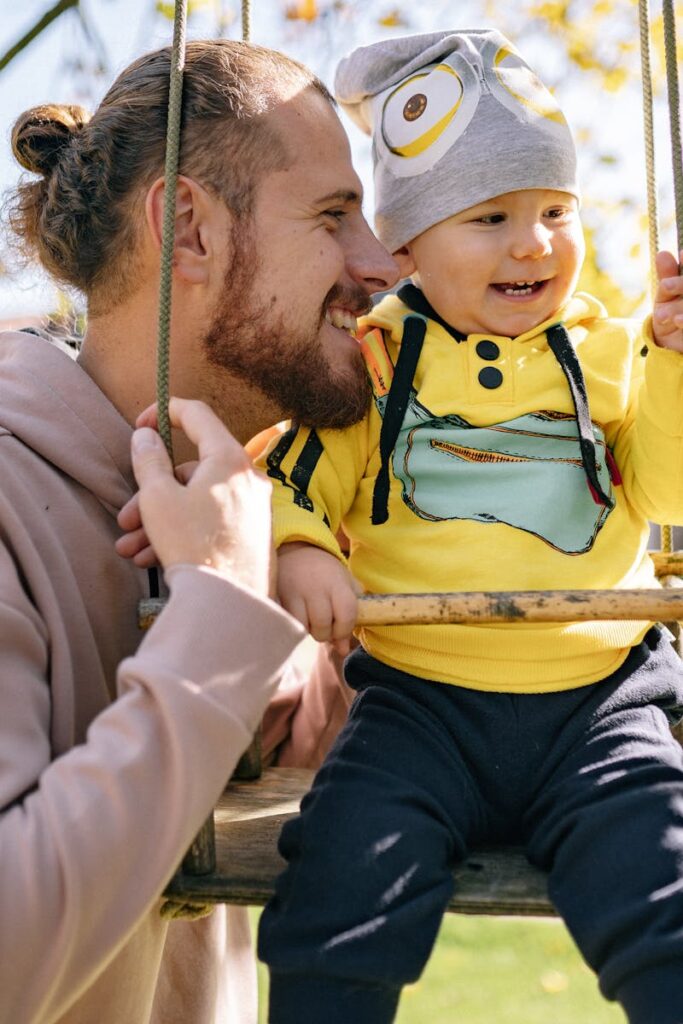
Even the most exciting space won’t invite learning if a child doesn’t feel secure. A warm, responsive adult presence is the anchor. Your encouragement, patience, and smiles give children the confidence to try new things—even when it’s hard.
Because here’s the beautiful connection: when babies feel emotionally safe, they move more. And when they move more, they learn more.
That sense of security becomes the launchpad for exploration. When kids feel safe, they’re more willing to step outside their comfort zones and try new things. And that’s when the real magic happens. That’s why creating an environment that encourages movement and exploration isn’t just beneficial—it’s essential. With the right support, kids develop the confidence to take risks, make mistakes, and grow.
- Rather than seeing obstacles, they start seeing opportunities.
- Over time, they grow into curious, confident, and resilient learners.
- Instead of fearing failure, they become excited to learn.
🌱 Final Thought: Planting Seeds for Lifelong Learning Through Movement
By fostering a safe, sensory-rich, and movement-friendly environment, you’re planting powerful seeds—ones that grow into curiosity, confidence, and a lifelong love of learning. It’s not about creating a picture-perfect playroom. It’s about being intentional. A simple setup—a cozy corner with a mirror, a soft mat, and a few well-chosen materials—can spark just as much discovery as a larger space.
When we create spaces that invite babies to move, explore, and make mistakes, we’re not just solving today’s challenges. We’re shaping tomorrow’s thinkers, problem-solvers, and resilient learners.
So let’s cheer them on. Celebrate the wobbles and the wins. And remember—every reach, roll, or curious crawl is a step toward something bigger.
Want more tips like this? Subscribe for weekly ideas to boost your baby’s development through movement and connection.
References:
- American Psychological Association (2017). “Teacher-Student Relationships: The Impact on Learning and Engagement.”
- Dweck, C. (2006). Mindset: The New Psychology of Success. Random House.
- Harvard Graduate School of Education (2018). “The Importance of Emotional Safety in Learning.”
- National Association for the Education of Young Children (NAEYC) (2020). “Play and Learning: How Playful Experiences Support Brain Development.”
- Rizzolatti, G., & Craighero, L. (2004). “The Mirror-Neuron System.” Annual Review of Neuroscience, 27(1), 169-192.
- Ryan, R. M., & Deci, E. L. (2000). “Self-Determination Theory and the Facilitation of Intrinsic Motivation, Social Development, and Well-Being.” American Psychologist, 55(1), 68-78.