
You play a huge role in shaping a child’s early development as a nanny or caregiver. But here’s the secret: learning doesn’t have to mean sitting still with worksheets or flashcards. Play-based learning is one of the most effective (and fun!) ways to help children grow, learn, and thrive. Let’s explore what it is, why it matters, and how to use it in your daily routine.
What Is Play-Based Learning?
Play-based learning is exactly what it sounds like: learning through play. It’s all about engaging children in activities that spark their curiosity and imagination while helping them develop critical skills. Whether it’s building a block tower, playing pretend, or solving a puzzle, play-based learning turns everyday activities into opportunities for growth.
The best part? Kids love it because it’s fun, and caregivers love it because it’s effective. It’s a win-win!
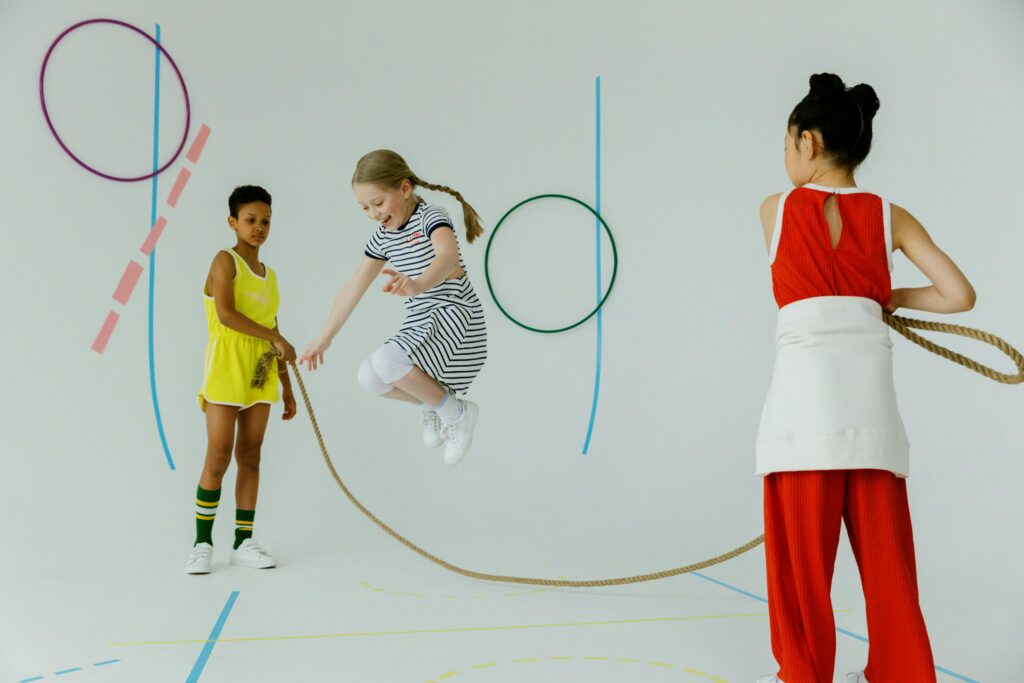
Why Play-Based Learning Matters
Children learn best when they’re actively engaged and enjoying themselves. Research has shown that play-based learning supports:
- Cognitive Development: Activities like sorting shapes, building with blocks, or storytelling enhance problem-solving, critical thinking, and creativity (Ginsburg, 2007).
- Social and Emotional Growth: Group play teaches children how to share, take turns, and empathize with others (Bodrova & Leong, 2007).
- Language Skills: Singing songs, reading books, or engaging in pretend play builds vocabulary and communication skills (Weisberg et al., 2013).
- Physical Development: Play often involves movement, which strengthens motor skills and coordination (Pellegrini & Smith, 1998).
How Nannies and Caregivers Can Use Play-Based Learning
Here are some simple ways to weave play-based learning into your day:
1. Follow the Child’s Interests
Kids thrive when they’re involved in activities they enjoy. If the child you’re caring for loves animals, create a pretend zoo. If they’re into cars, set up a race track with tape on the floor. (I once transformed my living room into a shoe shop when my daughters were little!)
2. Incorporate Everyday Learning
You don’t need fancy toys or elaborate setups. Baking cookies can become a math lesson (measuring ingredients) or a science experiment (watching dough rise) (NAEYC, 2012). A walk in the park can turn into a nature exploration.
3. Encourage Open-Ended Play
Provide toys and materials that can be used in multiple ways, like blocks, art supplies, or dress-up clothes. Open-ended play helps children think creatively and solve problems on their own (Hirsh-Pasek et al., 2009).
4. Ask Questions and Expand
Instead of directing play, join in and ask questions like, “What happens if we do this?” or “How can we make this tower taller?” These prompts encourage critical thinking and problem-solving (Zigler et al., 2004).
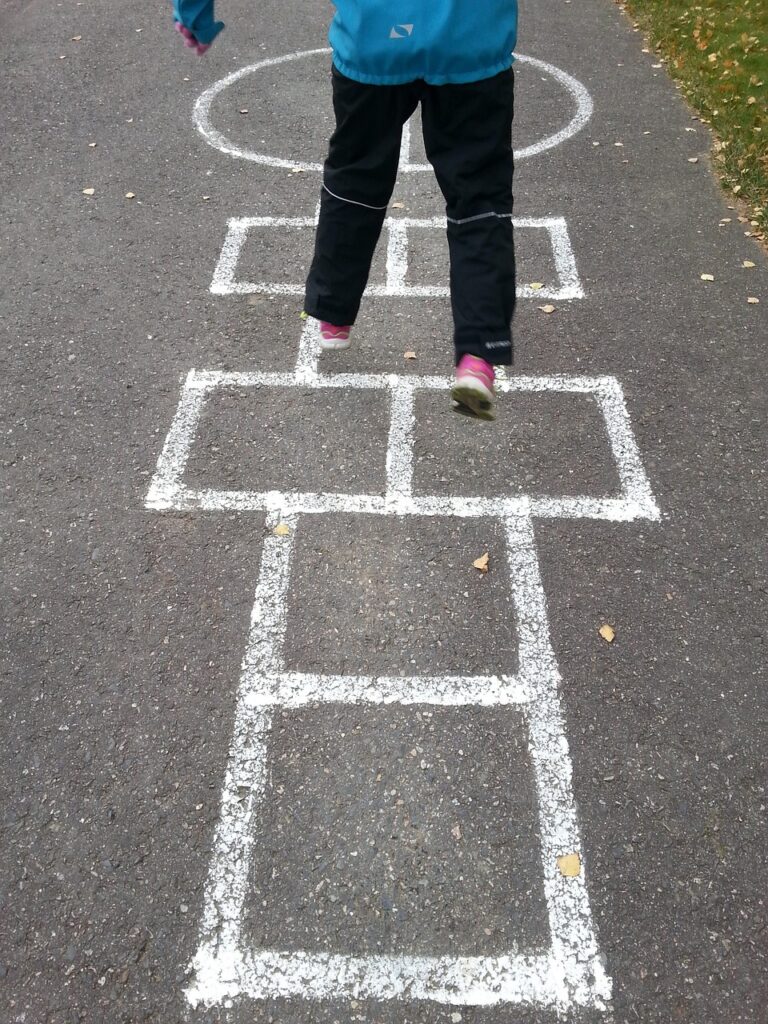
5. Make Time for Outdoor Play
Outdoor activities like climbing, running, or playing with sand and water aren’t just fun—they’re essential for developing physical and sensory skills. Plus, being in nature can spark endless curiosity (Bento & Dias, 2017).
Overcoming Common Misconceptions
Some caregivers worry that play-based learning isn’t “structured” enough. But the truth is, it can be as structured or as free-flowing as you make it. The key is to strike a balance that works for the child’s age, personality, and needs. Remember, the goal is to keep learning enjoyable.
Lifelong Benefits of Play-Based Learning
Play-based learning doesn’t just help children in the moment; it sets the foundation for lifelong success. Kids who engage in play develop:
- *Stronger problem-solving skills (Whitebread et al., 2012).
- *Better emotional regulation (Ginsburg, 2007).
- *A love of learning that stays with them as they grow (Hirsh-Pasek et al., 2009).
Incorporating play-based learning into your caregiving routine gives children the tools they need to thrive in school and beyond.
Final Thoughts

As a nanny or caregiver, you have a unique opportunity to make a lasting impact on the children in your care. By embracing play-based learning, you’ll help them grow their minds, bodies, and hearts while having fun together. So, roll up your sleeves, dive into their world, and watch the magic of learning through play unfold.

Click here for Essential Tools for play
References:
- 1. Bento, G., & Dias, G. (2017). The importance of outdoor play for young children’s healthy development. SAGE Open, 7(3), 1-9.
- 2. Bodrova, E., & Leong, D. J. (2007). Tools of the Mind: The Vygotskian Approach to Early Childhood Education. Pearson.
- 3. Ginsburg, K. R. (2007). The importance of play in promoting healthy child development and maintaining strong parent-child bonds. Pediatrics, 119(1), 182-191.
- 4. Hirsh-Pasek, K., Golinkoff, R. M., Berk, L. E., & Singer, D. G. (2009). A Mandate for Playful Learning in Preschool: Presenting the Evidence. Oxford University Press.
- 5. National Association for the Education of Young Children (NAEYC). (2012). Position Statement on Developmentally Appropriate Practice.
- 6. Pellegrini, A. D., & Smith, P. K. (1998). Physical activity play: The nature and function of a neglected aspect of play. Child Development, 69(3), 577-598.
- 7. Weisberg, D. S., Hirsh-Pasek, K., & Golinkoff, R. M. (2013). Guided play: Where curricular goals meet a playful pedagogy. Mind, Brain, and Education, 7(2), 104-112.
- 8. Whitebread, D., Basilio, M., Kuvalja, M., & Verma, M. (2012). The importance of play in early childhood development. University of Cambridge.
- 9. Zigler, E., Singer, D. G., & Bishop-Josef, S. J. (2004). Children’s Play: The Roots of Reading. Zero to Three Press.