
When kids are active, they’re doing more than just expressing their excitement; in fact, they’re building essential life skills. Movement-based play isn’t just fun; rather, it’s a powerful way to help children develop confidence and emotional intelligence (Ginsburg, 2007). From jumping and dancing to imaginative role-play, this type of play nurtures both body and mind, ultimately laying the foundation for personal growth and self-awareness. Now, let’s explore how movement-based play impacts our children’s emotional and social development, and more importantly, how we can make it part of their everyday lives.
The Connection Between Movement and Emotional Growth
When kids play—whether exploring on their own or engaging with others—they step into a world of opportunities to grow socially and emotionally. Moreover, each moment of play helps them develop essential life skills, thereby laying the groundwork for meaningful connections and strong relationships (Pellegrini & Smith, 1998).”**
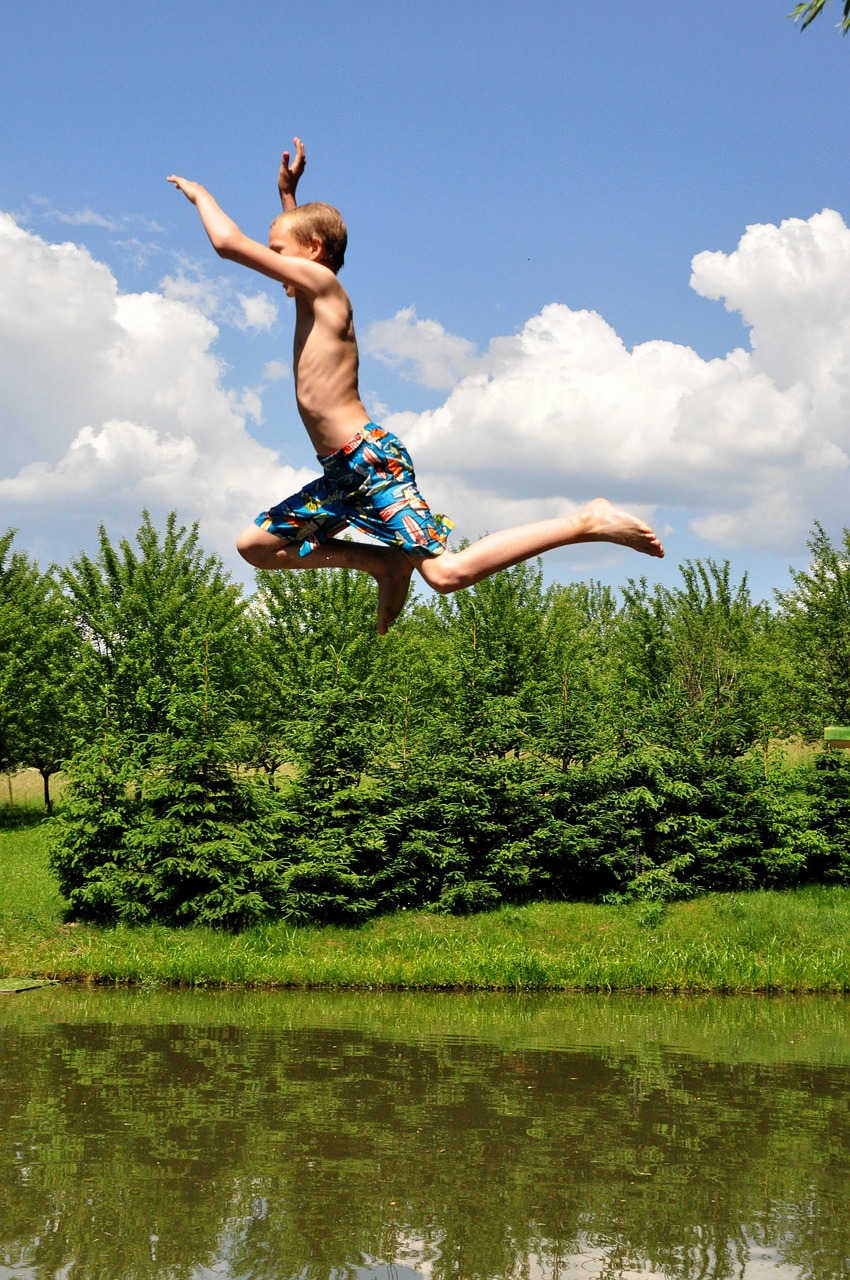
- Building Confidence Through Mastery – Accomplishing physical challenges, like climbing a jungle gym or balancing on a beam, fosters a sense of achievement. These moments of success teach kids to: Trust their abilities, embrace risk-taking, try new activities and celebrate progress. Kids gain confidence from their accomplishments, big or small.
- Encouraging Emotional Regulation – Play can be a healthy outlet for managing emotions. Play helps them reduce stress by releasing endorphins that help them feel calm and happy (Ratey, 2008). They learn how to practice self-control through games like “Red Light, Green Light”. Imaginative play also allows them to identify, understand and articulate their feelings (Gopnik, 2016).
- Developing Empathy and Social Skills – Group movement activities, such as team sports or dance classes, are excellent for fostering emotional intelligence: Collaborating with Peers: Team games teach children how to work together, share, and resolve conflicts (Singer, Golinkoff, & Hirsh-Pasek, 2006). Understanding Others’ Perspectives: Acting out roles in imaginative play encourages kids to put themselves in someone else’s shoes (Elias & Arnold, 2006). Celebrating Differences: Group activities expose children to diverse skills and approaches, helping them appreciate individuality.
- Not Being Afraid To Make Mistakes – Falling during a game or missing a shot teaches resilience and shows kids that mistakes are part of learning. With the support of encouraging adults, failure naturally teaches kids to focus more on the process than the result. This cultivates a positive mindset when facing challenges (Dweck, 2006).
Easy Ways to Encourage Movement-Based Play – Incorporating movement-based play doesn’t require fancy equipment or a lot of space. Here are some ideas to get started: Obstacle Courses Set up a simple obstacle course using pillows, chairs, or hula hoops. Encourage kids to navigate through it, crawling, jumping, and balancing as they go.
- Freeze Dance: Crank up the music and let the kids dance their hearts out! Pause it randomly, and everyone has to freeze—it’s a fun way to mix movement with self-regulation. And don’t forget to join in! There’s something truly special about adults reconnecting with their inner child, plus it’s a great form of workout for us, too!
- Outdoor Adventures: Take kids to the park or on a nature walk. Activities like climbing, exploring, and even skipping stones encourage movement and build confidence (Louv, 2005).
- Yoga for Kids: Introduce simple yoga poses that encourage mindfulness and body awareness. It’s a great way for children to practice focus and calmness (Kabat-Zinn, 1990).
- Team Games: Play group games like tag, relay races, or kickball. These activities promote collaboration and teach kids how to navigate social dynamics.
Why It Works
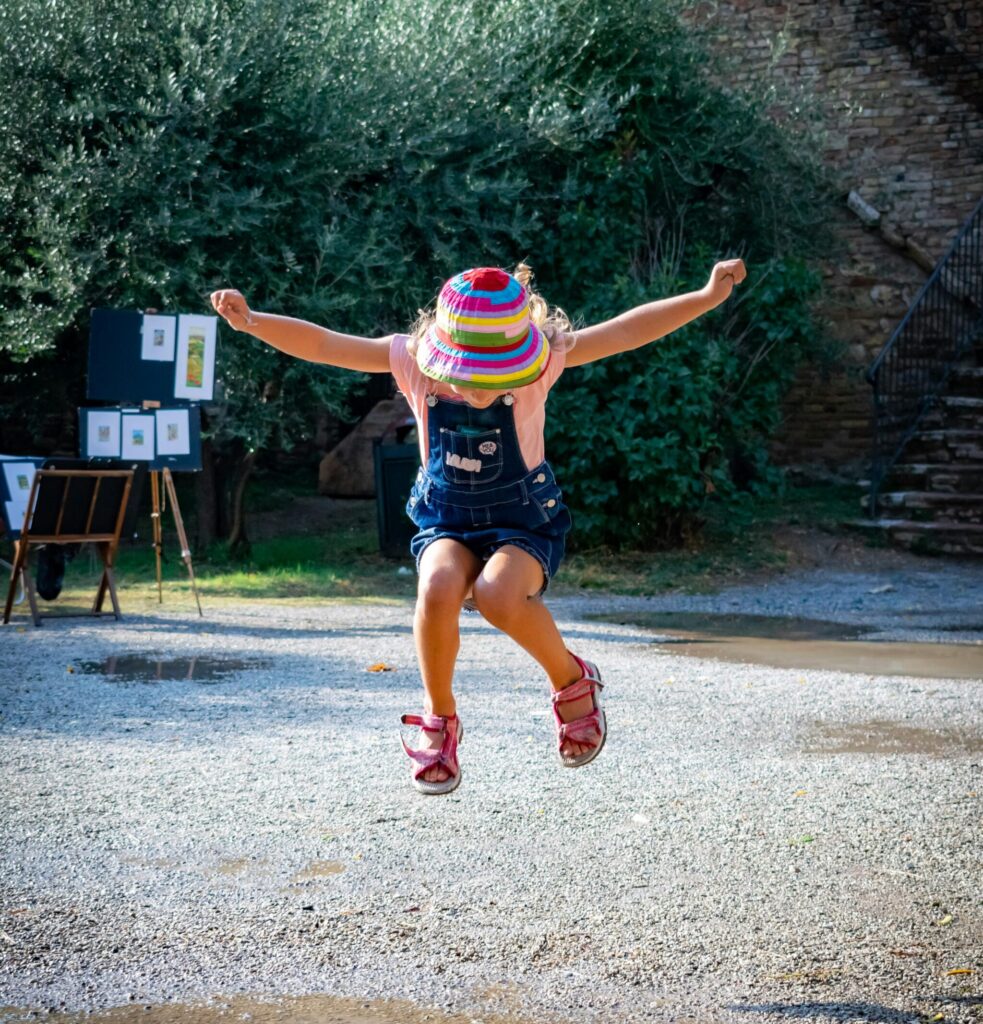
Movement-based play activates multiple parts of the brain, making it a holistic approach to learning and growth. Here’s why it’s so effective:
- Physical Engagement: Moving their bodies helps children release pent-up energy and reduces stress (Jensen, 2005).
- Social Interaction: Group play helps kids learn essential communication and teamwork skills.
- Emotional Connection: Physical activities give children a safe space to explore and express their emotions.
In Summary
Movement-based play isn’t just a way to keep kids moving—it’s a path to boosting confidence, emotional intelligence, and resilience. So, the next time your child wants to run, jump, or dance, encourage them! They’re not just having fun—they’re developing into their best selves.
References:
- Bodrova, E., & Leong, D. J. (2007). Tools of the Mind: The Vygotskian Approach to Early Childhood Education.
- Dweck, C. S. (2006). Mindset: The New Psychology of Success.
- Elias, M. J., & Arnold, H. (2006). The Educator’s Guide to Emotional Intelligence and Academic Achievement.
- Ginsburg, K. R. (2007). The Importance of Play in Promoting Healthy Child Development and Maintaining Strong Parent-Child Bonds.
- Gopnik, A. (2016). The Gardener and the Carpenter. Jensen, E. (2005). Teaching with the Brain in Mind.
- Kabat-Zinn, J. (1990). Full Catastrophe Living.
- Louv, R. (2005). Last Child in the Woods.
- Pellegrini, A. D., & Smith, P. K. (1998). Physical Activity Play: The Nature and Function of a Neglected Aspect of Play.
- Ratey, J. J. (2008). Spark: The Revolutionary New Science of Exercise and the Brain.
- Sandseter, E. B. H. (2011). Children’s Risky Play from an Evolutionary Perspective.
- Singer, D. G., Golinkoff, R. M., & Hirsh-Pasek, K. (2006). Play=Learning.
- Whitebread, D., Basilio, M., Kuvalja, M., & Verma, M. (2017). The Role of Play in Children’s Development: A Review of the Evidence.