
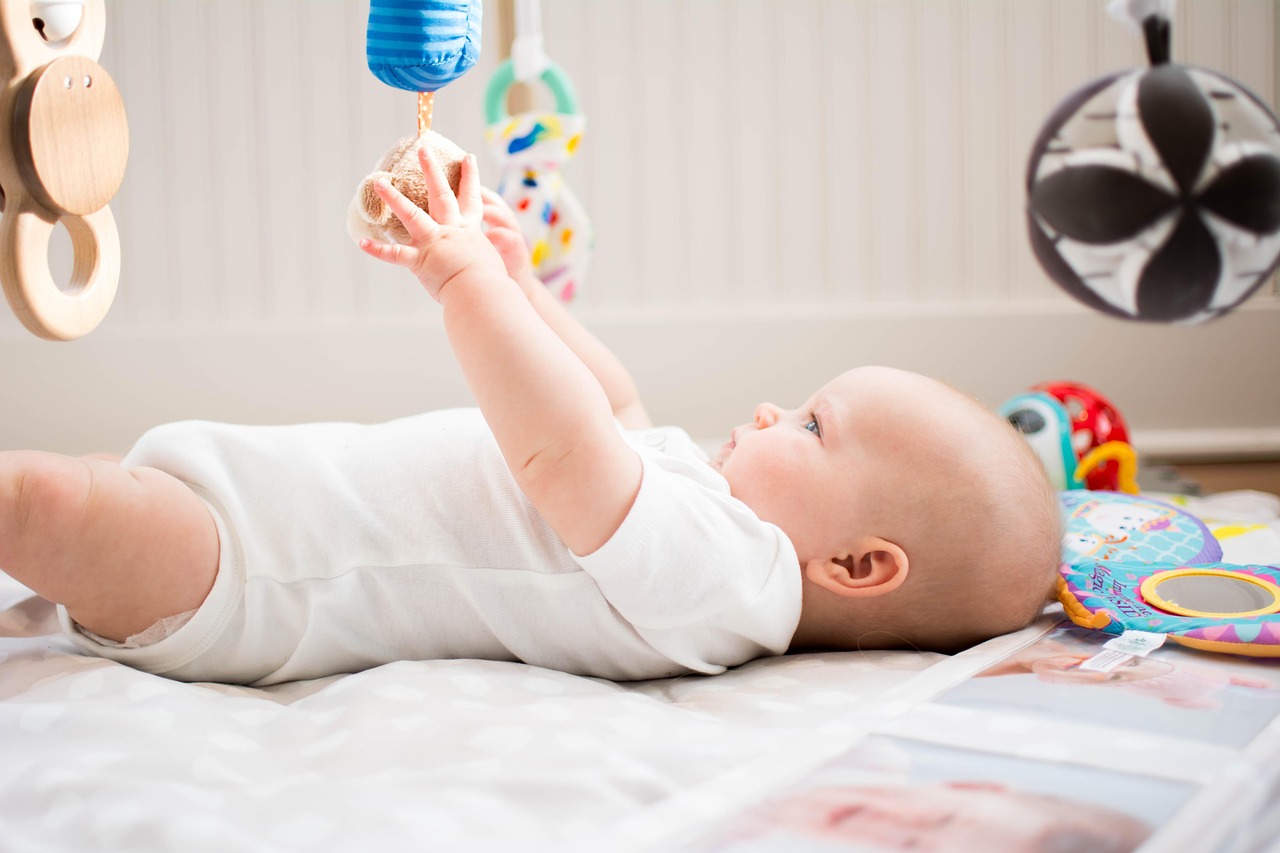
If I had a dollar for every time someone said, ‘My baby is too young for tummy time,’ or ‘She’s not ready for that yet—let’s wait until she’s older,’ I’d have been a millionaire by now!
A baby’s first year is filled with what I call ‘magic moments’—their first roll, crawl, or steps. These moments aren’t magical in a supernatural way, but they fill us with awe as we watch our babies reach incredible milestones. Jean Piaget, the famous Swiss child psychologist, called the first two years the sensorimotor stage. This is when babies use their senses and motor skills to explore and learn about the world (Piaget, 1952).
While a baby’s progression of movements may appear to unfold naturally, their environment and the people around them play a vital role in guiding their development. In fact, the level of stimulation available—whether abundant or limited—can greatly impact how they progress in acquiring and mastering motor skills (Berk, 2013).
As parents and caregivers, we must ensure children are regularly exposed to safe, age-appropriate activities that nurture their developing movement skills. Most babies follow a general sequence—starting with lying on their back, tummy time, rolling, sitting, creeping, crawling, cruising, and standing. However, every baby develops at their own pace (Berk, 2013). The focus should always be on the quality of these steps, not the timing.
Although every baby develops at their own pace and the quality of movement milestones is what truly matters, one thing remains universal: ALL infants and children need movement activities. I cannot stress this enough. No baby is inherently lazy or bored; instead, they may simply be disengaged or under-stimulated. Therefore, by providing them with the right opportunities for movement, we can help foster their natural curiosity and developmental progress (Berk, 2013).”
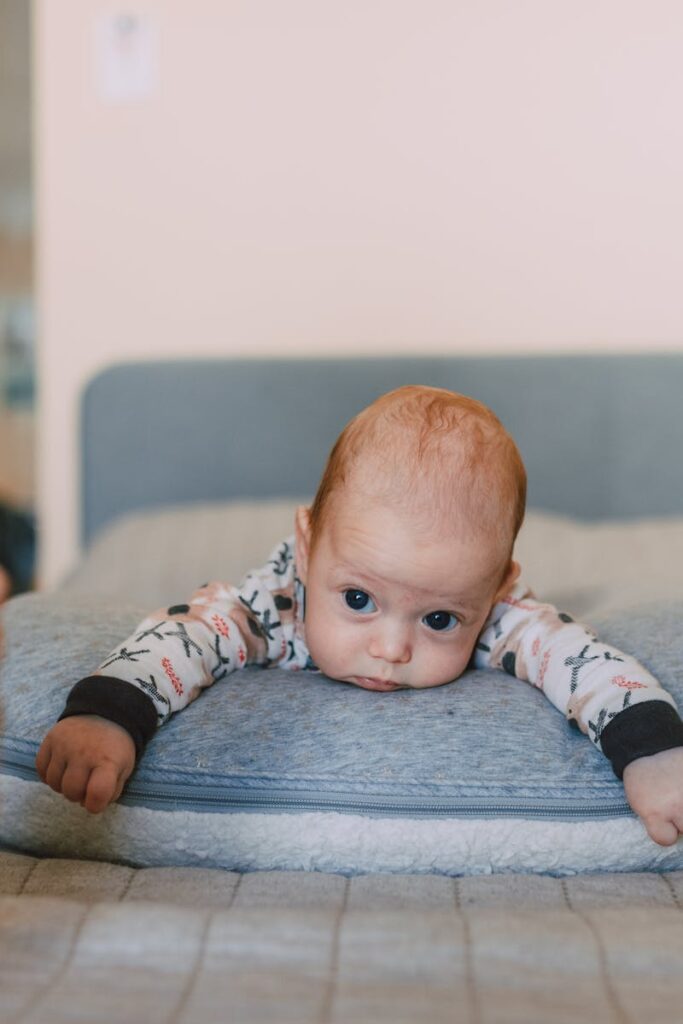
Our role is to cultivate a safe, sensory-rich environment that makes playtime enjoyable and engaging for our baby—something they eagerly anticipate. By integrating this into their daily routine, we can strengthen the natural cycle of sensory input and motor output, ultimately fostering even greater movement. This, in turn, promotes enhanced learning and development (Shonkoff & Phillips, 2000).
Movement is the foundation for a child’s exploration of the world. It also unlocks other areas of learning. For example, a baby can only explore a rattle, ball, or any object if she can move toward it. Without this ability, she cannot fully engage with the object. As a result, she misses the chance to learn about its texture, taste, shape, color, and other important characteristics, which help build her awareness and understanding (Berk, 2013).
Let’s not forget—movement is key to building strength! The more they move, the stronger their muscles become, empowering them to conquer new challenges and ‘climb higher mountains.’ And so, the cycle of growth and exploration continues (Shonkoff & Phillips, 2000).
A child’s brain undergoes rapid structural development, evolving with each new experience as they actively engage with their environment. Additionally, repetition plays a crucial role in solidifying these neural connections, thereby facilitating learning (Harvard Center on the Developing Child, 2016). Research indicates that early experiences significantly shape brain architecture, providing the foundation for future learning, behavior, and health (Shonkoff & Phillips, 2000).
Additionally, play is essential for brain development, offering children opportunities to encounter new situations and practice existing skills, which strengthens networks of brain connections (Berk, 2013). Through consistent repetition, these neural pathways become more permanent, reinforcing the learning process.
In summary, as children interact with their surroundings, their brains adapt and grow, with repeated activities reinforcing the neural pathways that underpin learning and development (Harvard Center on the Developing Child, 2016).
In light of all this, is your baby too young to play? Absolutely not! As we’ve seen, even the earliest experiences—combined with movement, repetition, and engagement with their environment—play a crucial role in shaping your baby’s brain and overall development. So, embrace playtime with confidence, knowing it’s never too early to start. For more insights and ideas, check out our Playful Foundations Blueprint and go play!
Click here to download a FREE Baby Play Guide
References:
- Berk, L. E. (2013). Child Development (9th ed.). Pearson Education.
- Harvard Center on the Developing Child. (2016). The Science of Early Childhood Development. Retrieved from https://developingchild.harvard.edu
- Piaget, J. (1952). The Origins of Intelligence in Children. International Universities Press.
- Shonkoff, J. P., & Phillips, D. A. (2000). From Neurons to Neighborhoods: The Science of Early Childhood Development. National Academy Press.